 If you suffer from chronic back pain, driving is probably something you try to minimize, if not avoid altogether. It’s just not comfortable.
Sometimes, though, you can’t avoid it. It’s just something you’ve got to do. Fortunately, there are a few simple things you can do to help minimize the pain that is so often associated with the simple act of driving. While the tips below certainly can’t be seen as a cure-all or a magic bullet, they’ll go a long way toward reducing your pain.
First, posture matters. When sitting behind the wheel, you want to adjust your seat such that your knees are at least slightly above your hips. Doing this will help take pressure off of your lower back, which will reduce the pain and discomfort.
Second, and this also has to do with posture, don’t recline the seat too much. You want it reclined some, but only just enough so that you can grip the steering wheel comfortably. More than that, and your sitting position is awkward, which will, in short order, increase your pain level.
Third, let’s talk about your wallet. Whenever possible, you should avoid sitting on your wallet, because it will cause you to sit unevenly, increasing pressure on your spin, and adding to your pain and discomfort. This is true when sitting behind the wheel as well. If nothing else, just place your wallet on the seat next to you when driving.
Fourth, consider lumbar support. This makes a huge difference. If your vehicle comes with lumbar support built into the seats, by all means use it. If it does not, then use a pillow or a folded towel at the small of your back. Use something to give you more support.
Finally, if you have to drive for an extended period, be sure to stop at frequent intervals to take stretch breaks, and be sure to move and keep your limbs and joints loosened up.
Taken together, these strategies will make a big difference in your pain levels, and at least make driving bearable.
 Joints sometimes pop, all by themselves. This is something that happens to literally everyone. The most common type of joint popping, by far, is the kind you tend to do yourself. Namely, “cracking your knuckles.”
 If you suffer from chronic pain, especially back pain, then you’re probably already a little unsteady on your feet. A fall of any sort can quickly make matters worse, and make the pain you’re already feeling almost unbearable. Anything you can do to minimize your chances of falling, then, is a win. Below, you’ll find some simple tips and tricks you can adopt right now that will help you reduce your risk of falling, and by extension, help make sure you don’t make the pain you already have even worse.
 When you suffer from chronic pain, you’re eager to latch onto just about anything that might help to lessen its impact on your daily life. One of the first things that most people reach for is sleep. Could it be that easy? Could simply changing the position you sleep in really have a big impact on your pain levels?
 If you have arthritis or joint problems, you’ve probably noticed it yourself. The pain tends to increase when the weather turns colder. Does that mean wintertime is the cause, or is it something else?
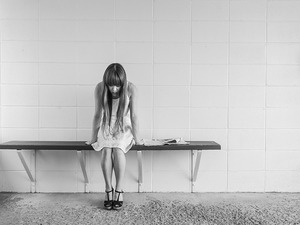 Virtually everyone in the country will, at some point in their lives, suffer from back pain. It’s one of the most common ailments in medicine, and there are a staggering number of things that can cause it. Broadly speaking though, the various causes of back pain, yours included, fall into three basic categories.
 Almost everyone knows how great a professional massage feels, but did you know that it has potential health benefits too? That makes it a win-win. Not only can you give yourself a periodic treat in the form of a soothing massage to help rub your troubles away, but depending on your physical condition, you may actually be able to use massage therapy to treat a variety of ailments.
 Have you ever had a strange “pins and needles” sensation in your legs? Many people have. It’s a fairly commonly occurring phenomenon. You might be surprised to know, however, that in many cases, the problem doesn’t have anything to do with your legs.
 If you suffer from depression, or know someone who does, then you understand how awful it can be. It’s more than just “having the blues.” It’s a deep, pervasive sense of loss or sadness that doesn’t appear to have a fix.