How To Take Care Of Your Reproductive Health

Although sexual health can be an awkward topic, the fact it can be awkward makes it more important. Not everyone talks about it, and it should be talked about. There are things that can happen to your overall health that are directly related to our sex lives.

Our reproductive system is just one more part of the body that should be cared for. It is all connected.

Both men and women can take steps to be sure their reproductive health stays where it should. This article will be especially helpful for men or women that want to have children, those who have frequent urinary (or other) infections, or those who just want to be sure their whole body is in good shape.

1. Hygiene is essential! Washing your private areas every day is part of staying healthy. Take a bath or a shower every day, if only to wash a few of the more “important” areas. The consequences to avoiding washing down there can cause infections or cause your partner to get infections. Did you know that you should always also wash your hands right before sex? Germs on your hands can cause an infection in your partner. That infection can easily spread to the kidneys and cause severe consequences.

2. Communicate with your partner! What reproductive or sexual topics are relevant to you? Ask your partner if they have anything going on that you need to know about. For example, if a woman has frequent Urinary Tract Infections (UTI’s) or yeast infections, that is important for them to tell their partner.

3. Go to doctors trained for helping with reproductive health. Not only should you be going for issues you have, you should go regularly for screenings. Cervical cancer and testicular cancer are often aggressive, so it is important to look for them as often as you can. You may have some kind of condition or infection you didn’t know you had. That’s the power of preventative care. Reproductive healthcare is not an exception and should be taken seriously.

4. Stay hydrated and eat nutritious foods. Believe it or not, water intake and food choices can affect your reproductive system. Just like every other system in the body, good food and beverage choices are important to the function of this system, too.

5. Practice safe, smart and careful sex. It goes without saying that you should have protection. It can be dangerous to have sex with many partners that you do not know very well. Sexually transmitted infections can have serious consequences, even if you take antibiotics to get rid of it. Some of them have no cure. Keep this in mind.

There you have it, an awkward but incredibly helpful article on health and wellness. Advocate for the wellness of your whole body!

Quick Tips For A Healthy Mouth And Teeth

Sadly, most people don’t find time or money to visit a dentist and care for their teeth and mouth.

Many people in this country wait until something really painful or scary happens before they attempt to spend money on their teeth.

Due to the scarcity of proper and affordable dental insurance, many people are left to suffer or get sick from infections because of their poor dental health. Whether they treated their teeth badly for years, or they have a genetic condition that makes their teeth bad, people deserve better.

This article provides some basic tips on how to care for your own dental health and (hopefully) avoid needing a dentist.

1. Drink water as often as possible. Sugary drinks are not good for your teeth, and acidic carbonated beverages are even worse for your teeth. It may make a significant difference to just cut back on beverages that wear off your enamel or cause other issues. Water is great for your teeth.

2. Brush your teeth more often when you eat or drink things that have lots of sugar or acid. You can reduce the damage from bad choices if you take the short time to stop and go brush your teeth. If you eat something that sticks to your teeth, take extra care and time to be sure you get it all out. Always brush your teeth at least once, if not multiple times per day. If you have healthy strong teeth and don’t eat sugar or acidic foods often, you may be able to just brush them once per day. Take your time, don’t miss any spots, and floss whenever you can.

3. Using a mouth rinse or mouth wash is a good idea. There are antimicrobial options available that have been proven to cut back on plaque. Rinsing with these after eating or brushing will help prevent cavities. Beware that using mouthwash too often can cause issues as well. Try to limit your use of them, and don’t skip brushing your teeth and just use mouth wash. That’s not going to help anything but the smell.

4. If you have a family history of dental issues, really think about why. Were your family members bad at dental hygiene? Did they eat and drink the foods that might have caused the problems? Did they smoke cigarettes, drink soda all day, choose not to brush often, and more? Sometimes, family history is a sign of bad family choices. If you take good care of your teeth, you may break the family curse of bad teeth. Do not give up on your mouth and teeth if you have a chance.

5. If you must see a dentist, don’t worry. There are some affordable options out there. You may qualify for free dental insurance through your state if you have low income or if you are disabled. Ask around, search the internet, and don’t give up trying. Some dental places are more affordable than others.

Even if your family does have an unfair history of weak teeth regardless of their choices, do not give up on your teeth. There are many things you can do to reduce the damage. However, this particular advice requires that you do see a dentist as often as you can. They can give you treatments and sealants that can keep your teeth strong for longer. Do what you can and keep smiling!

5 Safety Tips For July 4th Celebrations

Oh what a fun time it is to celebrate Independence Day!

If you enjoy summer, grilling, parties, and fireworks, it may be your favorite day of the year! Considering that many people will be overheated and drinking alcoholic beverages, sometimes accidents can happen.

Here are 5 tips for avoiding any injuries or issues during your fun celebrations of the U.S.A.

Sports injuries – It is a good time of year for family sports such as badminton, football, Frisbee, corn hole, and more. These activities are usually safe, but beware of any possible injuries. Have your family wear good footwear that will give them the right support and protection. Avoid playing on uneven, bumpy ground. Keep your grass cut short, and keep your yard clear of other things you can trip over. Play smart and you’ll have more fun.

Slipping on wet surfaces – Swimming pool decks or wet grass can be very slippery. You may notice at public pools you are not allowed to run. If anyone runs on wet surfaces, they can get severely injured. In worst cases, slipping, hitting your head, falling into the water and drowning are possible. Always tell your family not to run on any wet surfaces. Even wet grass or mud can cause injuries.

Grilling accidents – Although rare, they do happen. Keep the propane turned off until you need to use the grill. Watch it carefully, and don’t let small children touch it. Grease fires are common with grills, so it is crucial you keep your grill clean as often as you can. Not only is it safer, but your food will taste better if it doesn’t catch on fire!

Fireworks accidents – These are the most common and dangerous accidents that can happen. Kids can still get burned by sparklers, even if it seems harmless. Many people have lost their entire hand or arm to bad choices with fireworks. Those that get the worst injuries are often drunk on alcohol or under the influence of some kind of drugs. Do not let drunk or intoxicated people near your fireworks this year.

Boating accidents – Boats can be fun, and many families like to use them for July 4th. If you must drive a boat, first take a boating safety course. Be sure not to drink much alcohol, and ask everyone on board to wear a life jacket. Figure out and practice how to call for help in the case of an accident. Do not allow people on your boat to stand up or do silly things while the boat is going fast.

With these things in mind, have a very safe and enjoyable July 4th this summer!

Ways To Keep Kids Safe And Healthy This Summer

Right now is most kids’ favorite time of year!

School will be out soon, there will be plenty of things to do outdoors, and it is time to hang out with friends! Family trips to swimming pools and more will keep everyone busy.

Keep in mind that summer can be a dangerous time as well. Sun burns, outdoor injuries, heat sickness, dehydration and more can happen to anyone. Here are some tips for keeping your kids and your whole family more safe and healthy this summer. These are not all of the tips you should know, but this covers many of them.

Sun burns – Don’t forget to prepare for sun exposure. Whether you use sunscreen or not, it is very important to pay attention to how much time is being spent in direct sunlight.

One good tip is to keep a close eye on the UV index for each day. You can find this information on weather apps and weather websites. Anything over 6 is high. Anything over 7 is very high and anything over 10 is extreme UV sunlight. If you need to be out in the sun, try to go out on days with a UV index below 6.

Always have shade options available for your family. In addition, be sure that everyone has a good hat or good sunglasses to protect their eyes from UV damage.

Outdoor injuries – If you like to take your family out on adventures in the woods, be aware of any falls, trips or knee scrapes they might get. Avoid trails that are too difficult for kids. Take them out on well maintained trails. Keep a close eye out for snakes, bears, or other dangerous animals.

Heat sickness – Sometimes your best intentions won’t be enough to beat the heat. Even if you stay hydrated and out of the sun, the heat can still get to you and your family. Try to keep ice packs handy, and invest in some cooling tools such as portable fans. Encourage playing in a sprinkler or other water based activities to keep everyone cooler and more comfortable. Spend plenty of time indoors while using air conditioning to cool off quicker.

Dehydration – Sometimes we can get so busy that we think we are drinking enough water but we actually aren’t. Take more than enough water with you when you go anywhere. Take frequent breaks to drink water and rest for a few minutes.

Getting hit by cars – It is very important to teach your kids to stay out of the road at all times. Do not let your kids play with balls near a road. Do not allow your kids to chase after balls in the road. Do not leave your children unsupervised near roads. Do not allow kids to watch over small animals near a road or chase animals into a road. Use common sense and everything should work out!

Drowning in pools – For avoiding drowning during swimming, it is most important to keep watching your kids the entire time they are in the water. Ideally, you should be in the water with small children to save them much faster if they go under. Make sure your kids know how to swim very well before allowing them to swim without you.

Getting bit by bugs – It is critical that you try to prevent Lyme disease or infections of bug bites. Avoid being around bugs that can hurt your family. Use bug spray and repellents whenever possible. Do not let your kids play in tall grass where ticks live. Make sure your kids get their bug bites treated if they look swollen or feel hard and hot to the touch.

Getting hit by storms – High winds, lightning, and tornadoes are no joke. Watch the weather forecast whenever possible. If your kids are outside playing somewhere you are not with them, make sure there aren’t any storms coming. Teach them to come home quickly if they hear thunder, see lightning, or hear any tornado sirens.

Well, there you have it! Hopefully these suggestions will remind you about ways you can prevent any issues this summer. Get out there and enjoy it!

Ten Interesting Facts About Lungs And Breathing

Most people don’t spend much time pondering about their lungs and breathing. Although it would be much better if everyone paid closer attention to it.

Taking time to breathe properly every day can greatly reduce stress and anxiety.

Continue reading to learn 10 more fun facts about your lungs and breathing.

1. The right lung is larger than the left lung to make more room for the heart. I bet you always pictured them being exactly the same on both sides.
2. We only use a small amount of oxygen in the air. Normal outdoor air has just 21 percent oxygen, but we only use about 5 percent of it. The rest of it just gets exhaled.
3. You can get rid of 70 percent of waste just by breathing. The waste product is mostly carbon dioxide (CO2) that the lungs draw from the body and gets rid of when you exhale. In addition to waste, we lose a significant amount of water when we breathe out. Humans lose about 1.18 ounces of water every two hours with normal breathing.
4. Your sinuses regulate the humidity levels and temperature of the air that you breathe.
5. Your lungs shrink in size as you get older, making it harder to breathe.
6. Regular exercise keeps your lungs healthy.
7. Women and children breathe faster than men do.
8. Some people can hold their breath for a very long time. If they practice a specific hyperventilation method before going under, they can increase their oxygen levels and decrease their carbon dioxide levels so much that they can hold their breath for 20 minutes!
9. You can live with just one lung. If you get hurt and one of your lungs is injured, you can survive on your other lung until you can get urgent medical help. If you get lung cancer, you can get one removed and live with the other lung!
10. The lungs produce blood cells. Also, the lungs get as much blood pumped to them as the rest of the body gets! It takes half of your body’s blood to keep the lungs functioning!

There you have it, ten very interesting facts about lungs and breathing. Perhaps now when you are inhaling and exhaling during your daily life, you might consider some of these fun facts. Share these with your friends and family, and see how many of these facts they already knew.

4 Things You Should Know About The Digestive System

The digestive system is much larger than most people realize. Did you know that the digestive system starts at the mouth and ends… well, you probably know exactly where the end is.
Between that first bite of food until it comes out the other end, many different things happen to your food and drink. Nutrients from food and beverages get into your body through this system, which is why it should be well taken care of.

Keep reading below for some fun facts about the digestive system.

1. Head to gut relationship – Many people do not know that the digestive system is directly connected to mental health and brain function. If you have something wrong with your intestines, the intestines send a signal to the brain. If your brain is anxious or distressed, you may feel some stomach or intestinal problems happening. The brain and gastrointestinal system connect intimately. Keep one in good shape and the other may follow. Emotions can interfere with food digestion, too. You may have realized how hard it is to eat when anxious.

2. Watch out for ulcers – If you take certain medications, you may be at risk for some ulcers. If you take frequent or high doses of Ibuprofen and other NSAIDS, you may get ulcers. This is because these types of drugs damage the protective barrier between the stomach lining and the stomach acid. If you must take them, only take the minimum amount and try not to take it frequently. Ask your doctor what you can do to reduce your risk of ulcers when taking these medications.

3. Enzymes – Enzymes exist in the gastrointestinal system. They sort out food into different essential nutrients that you need. Without the proper enzymes, you may not be getting enough nutrients. You may have a deficiency in enzymes if you experience brain problems, muscle problems, eating or swallowing issues, slurred speech, or enlarged spleen or liver. Ask your doctor if you need more information.

4. Eat less more often – If you have digestive issues, it may help for you to eat less food but more frequently through the day. The more you eat at once, the more overwhelmed your system may get. When it can’t keep up, you get gas, indigestion, heartburn, and more.

As you read through these tips, realize that no two people are the same. Hopefully these facts and tips will help you understand your GI system much better. Here’s to less tummy upset, less gas, and more enjoyment of healthy foods!

How To Protect Your Ears, Nose And Throat

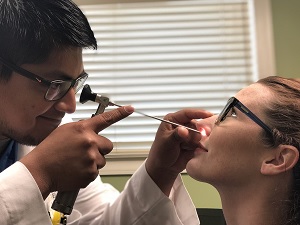
Sometimes, we overlook some important parts of our overall health. This article is focusing on ways to care for the nose, throat, and ears. Think about how hard life may be if you could not swallow, smell, or hear anything. Keeping these parts of the body healthy sounds more critical now.

1. Avoid pollution and smoke – The nose and throat will benefit most from this tip. Not only should you avoid pollution and second hand smoke, you should not smoke at all. Smoke does damage to your mouth, sinuses, and throat.

2. If you have acid reflux – Skip this if you don’t have it. Untreated severe reflux can get up into the throat, ears, and even the nose. If you sleep flat on your right side, reflux can get into your right lung. If you have heartburn and other issues, it is important to sleep on an incline and work with doctors to find out what is causing your heartburn. Pills only cover up the symptoms, but they are necessary to protect you while you work with medical professionals to find out how to fix it.

3. Keep your sinuses moist – Dry environments can do damage to your sinuses and make you feel pretty miserable. When sinuses get too dry and irritated, they can get inflamed and sometimes infected. Dry sinuses make your nose bleed as well. If you live in a dry place or it is winter, consider buying some air humidifiers to save your sinuses.

4. Wear protective ear gear – If you are going to be hearing any loud noises above a certain volume, you should always wear headphones or ear plugs. The ears are sensitive, and can be damaged by loud sounds. If this advice isn’t followed, you can get tinnitus, hearing loss, or ear pain. Avoid letting your ears get hit uncovered with a very loud sound. Especially concerts.

5. Treat ear infections immediately – If someone has an ear infection and it is not treated, this can cause damage to the ear. Infections cause inflammation, which makes everything swell up and put pressure on whatever is around it. This can put pressure on parts of the ear, such as the ear drum. A severe infection can cause many issues like pain and hearing loss.

There you have it everyone. Don’t take your nose, ears, or throat for granted. They will treat you well if you keep them protected from harm.

Health Tips For Your Heart, Circulation And Blood

Approximately 60,000 miles of blood runs through the adult human body. The heart is responsible for pumping blood to every part of the body. Some conditions can impact your body’s ability to do this.

Some examples are vitamin deficiencies, anemia, obesity, diabetes, and more. This article will include some health tips and facts about the heart and blood circulation.

1. Iron and B12 deficiencies – If you have an iron deficiency or a B12 deficiency your blood does not have enough red blood cells. Red blood cells are very important and one of their jobs is to carry oxygen to your body and brain. Getting enough oxygen is essential for exercise especially. If you don’t have enough iron in the blood, you may get headaches, dizziness, exhaustion, and more. If you don’t have a diet rich in iron and B12, you may need to take supplements. Get a regular checkup with blood work at your doctors office if you are experiencing any symptoms.

2. Obesity – Obesity is really hard on the heart and circulation. When you gain extra weight, there is more of you. A bigger person needs more blood, and more blood puts more pressure on the walls of your arteries. This increases blood pressure, increased the heart rate, and makes it hard for your body to get blood through your vessels. Being overweight can cause issues with your veins as well. Talk to your doctor if you are overweight.

3. Diabetes – High sugar levels in the blood cause damage to the lining on the walls of your small blood vessels. It will cause the vessels to lose their elasticity and start to get more narrow. After some time of struggling to control blood glucose, your circulation will begin to worsen. Talk to your doctor if you have diabetes and your blood circulation gets worse.

If you would like to know some simple ways to help improve your blood flow, check out these tips. First, you can be sure to eat healthy foods. Some foods include onions, cinnamon, and garlic. Second, regular exercise will help prevent obesity and diabetes. Even if you aren’t able to run or jump, there are many options for you. Walking is great exercise. Or, try swimming!

There you have it. Keep your heart healthy and keep that blood flowing as it should!

How To Ensure Better Brain Health

Most people spend time trying to stay healthy.

They pay attention to how they look, how their bodies function, and what they are eating.

They work out their heart with cardio, and take care of it.

However, not everyone thinks about how to keep their brain healthy. It is such an important part of our body, so it should be cared for as a priority.

How to take care of your brain:

1. Exercise – This can prevent or reduce your risk for Alzheimer’s and similar dementia conditions. It also improves blood flow to the brain, making it work better and get more nutrients!

2. Quit smoking – Smoking not only hurts your lungs and circulation, it can also harm all of your organs, including the brain. Quitting at any time will reduce your risk, but sooner the better.

3. Avoid and reduce sweets – High blood sugar, even without having diabetes, can put you at risk for dementia. Candy, sodas, cakes, and high sugar foods should be avoided or reduced. Sugar isn’t good for you anyway, so it helps you in general to stay away.

4. Socialize – It is important to a human’s brain to socialize and interact with others. The more in-depth the activity and the more people, the better. The stimulation can be a lot at once, but it is great for your brain! Try gradually increasing the crowd size you interact with. Start with two, and work it up! You can also work out your brain by learning something new!

5. Prevent falls and wear helmets – Any injury to any part of the head can injure the brain. Certain injuries can leave you unable to move or speak. Don’t do stupid things that could give you any kind of injury in general. If you can’t be super careful, at leas always protect your head whenever possible.

Treat your brain like you would a muscle. Exercise it, feed it, protect it, and enjoy it! Time changes the brain, so use it all you can for as long as you can.

5 Helpful Tips For Successful Intermittent Fasting

Do you want to try intermittent fasting?

If you aren’t sure what it is, it means to stop eating for certain periods of time, however many days per week you choose. For example, eating for 8 hours and then not eating for another 8-16 hours.

This kind of behavior is for a variety of specific health benefits. One benefit is it can be for losing weight. To learn more about the basics of intermittent fasting, use an internet browser to search for it and learn more. This article is to help those who have decided they will do it.

If you are worried you will fail or you will get too hungry, this article is for you. These five tips should help you find intermittent fasting to be possible and beneficial.

How To Get Through Intermittent Fasting:

1. Only try fasting for a portion of one 24 hour period at first. Don’t try to skip meals for days in a row when you start. See how it goes first, and then plan to do more later.

2. Try the calorie restriction method. Instead of not eating at all, just eat far less than you normally would. If you normally have 4 pieces of bread per day, eat just one. If you normally eat 4 meals a day, cut it to 2 meals.

3. Eating just a small amount of food on fasting days can sometimes be better than cutting all food out.

4. Drink more water than usual. It helps keep you full, and you don’t want to get dehydrated. Remember, a lot of our food is made of water, so you should drink enough to make up for that.

5. Do activities that don’t take up much energy. The more you move around, the more hungry and weak you might become. Play video games, read a book, draw, paint, or video chat with a friend.

If you are going to give it a shot, these tips are sure to help you get through just fine. Remember, you will get to eat again! Stick it out, and know your body.