Exciting Winter 2020 Fitness Trends For Health

This winter is going to be interesting in terms of staying healthy and working out.

If your gym is still open and you still aren’t ready to go back, there are plenty of things you can do at home that may satisfy you just as much.

Not only can you get a good workout at home, you can experience some new things offered by the health and wellness world. This article includes some of the newest health and fitness trends for winter 2020.

Rowing

There are some new rowing machines being sold for home use, including the Hydrow. It comes with a touch screen and speakers, Bluetooth, a handle, and more. Rowing machines are great for working out your legs, feet, arms, hands, core, and back all at once. They are relatively small, especially in comparison to a treadmill. If this excites you, look up some rowing machines for home gym use!

Red Light Therapy

This brand new form of therapy can boost your mood, your energy, and sleep quality. It may improve how your skin looks, and help with fitness and endurance. It can reduce pain, stress, inflammation, and body fat. Expect to see more red light therapy devices released soon.

Lymphatic Health

There has been a rise for the past 3 years in awareness of how important the lymphatic system of the body really is. This year, there is going to be an increase in spas that will offer treatments and services for the lymphatic health for its customers. They will be using massage techniques to help the system flow and move as it should. If someone is sick or inactive, their system can get backed up, and fluids can build up in the body. The lymphatic system staves off disease, reduces inflammation, and promotes digestion when it is functioning properly. Keep your eyes out for these services.

Self-Care

If the year 2020 has taught us anything, it is that we must take care of ourselves, or we fall apart or get sick. You may picture extravagant bubble baths with candles and the lights off, music playing. However, self-care is much more than finding comfort in silence and privacy. Self-care also includes forming habits that help you, or getting rid of old habits that harm you. Social distancing and closed attractions may have led to a much better understanding of ourselves. It slowed things down, and gave us perspective. Caring for yourself and giving yourself a life you want to live is so important to your health. Dance, sing, laugh, be silly, and smile every time you feel like it.

This year is helping us realize what is important, and what we can be doing differently to help ourselves. Enjoy!

Ideas For Staying Active That You May Not Have Realized

Your typical options for getting active and getting your heart pumping have been pushed on you for a long time now. Go to the gym, walk the dog, do jumping jacks in your kitchen, or do some leg-lifts on your living room floor.

However, these usual, everyday things have proven to be boring to many people who don’t like the options they’re given.

This article will help you realize more options for getting healthy that you may not have thought about until now. Not only that, but you may see that some of the things you do every day are actually really good exercise. Don’t be hard on yourself, but also be honest with yourself about your activity levels.

Everyday Activities For Good Exercise:

  • Pushing a baby stroller for 30 minutes (about 1.5 miles)
  • Shoveling snow for 15 minutes
  • Walking up and down the stairs for 15 minutes
  • Raking leaves for half an hour
  • Removing, washing, drying, and re-applying bedding (sheets, pillowcases, blankets)
  • Walking back and forth at work during your shift (such as being a waitress/server or host)
  • Sexual activity for 30 minutes (protected, of course)
  • Lifting heavy things at work frequently during the day, such as at work

Other Exercise Ideas:

  • Hula hooping or hoop dancing for 30 – 45 minutes
  • Swimming for 20-30 minutes
  • Taking the stairs when out in public or at work
  • Dancing for 30-45 minutes with the kids or at an adult party
  • Riding a bike for 4 miles
  • Walking for 35 minutes
  • Running for 15 minutes
  • Hiking beautiful outdoor trails for 30-60 minutes
  • Playing video games that give you a workout (Virtual Reality games, Wii Fit or Ring Fit, just as a few examples)

Now that you have a better idea of what makes good exercise and what options you have, get out there and move! Staying healthy and active is one of your most powerful weapons against sickness, pain, and disease.

The Importance Of Staying Active To Avoid Health Problems

Most people are aware of the main reason to keep active, which is to avoid obesity. Although that is a great reason to stay active, there is more to it than that. This article will explain more reasons to keep yourself active and healthy, as well as reasons why obesity is such a danger to your health.

We all understand what it is like to get sucked into the couch with a warm, soft blanket for hours on end. Sometimes, we just need some time to relax. However, too much sitting or laying down is dangerous in many ways. Too much relaxation can lead to much higher stress on your body.

Here are some of the basic ways being too inactive can hurt you:

You don’t burn many calories, you will gain weight, and you may lose muscle strength. Combine a higher weight with less muscle strength and you have a difficult time moving or doing basic daily activities. Imagine trying to lift an extra 30 pounds off the ground when your muscles are weaker than before.

If you’re not active, your bones are losing minerals. When you are active, the bones absorb the nutrients that they should. Not only that, but the body digests and uses nutrients better when you are active.

Your metabolism may begin to get lazy and be unable to process fats and sugars like it used to. This puts a lot of stress on the body, which can affect the immune system.

Your body will be more likely to become inflamed due to inactivity, and you may begin to experience pain and pressure, causing you to feel worse and less likely to get up and move. The more inactive you are, the worse this will get.

You could develop an imbalance of your hormones. When you aren’t active, the body doesn’t produce or release the right hormones to keep you healthy. Your body needs to move in order to improve this.

This is just a glimpse into the reasons why inactivity can harm you, and kill you over time. Try to do more house work, climb your stairs a few more times a day, watch some online workout videos, and find something you really enjoy doing. If you find the right activity, you will forget you’re exercising, and you’ll move mountains.

What Your Feet Are Telling You About Your Health

Did you know that your feet can tell you quite a few things about your health just by paying attention to how they look and feel?
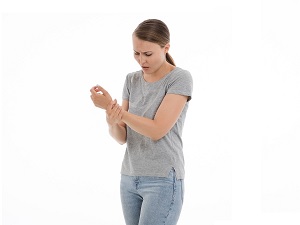
Whether you have pain, coldness, numbing, tingling, or something else, your feet are telling you something.

The feet can show symptoms of illness or disease before the rest of the body. If you have any of the issues listed in this article, contact your doctor immediately for treatment.

Loss of the hair on your feet and legs can be a symptom of a severe blood restriction in the leg’s arteries, called PAD (Peripheral Artery Disease). If you have very poor blood circulation, this can cause an inability to grow hair on the skin of the legs and feet. This is a big symptom of overall heart disease, and a sign that your heart cannot pump blood to the legs and feet like it should. On the same topic, having super cold feet and hands can be a symptom of a thyroid disease or dysfunction.

Ulcers or sores on the bottom of your feet is a sign of advanced diabetes. Approximately 15 percent of diabetes patients have an open sore or ulcer on the bottom of their feet. In addition, up to 24 percent of them will need their foot amputated due to an infection of the ulcer or sore. If you use insulin to manage your diabetes, you are at higher risk than others with diabetes. On the same topic, feeling constant pins and needles or numbness in both of your feet is a sign of nerve damage caused by diabetes, called diabetic neuropathy.

Thick and yellow toenails that look deformed is a sign of a fungal infection. You are at risk of this if you take certain medications like steroids, high dose antibiotics, or immune system suppressants. On the same topic, a large, swollen big toe is an indicator of Gout, which is a form of arthritis caused by too much uric acid. This acid tends to build up in cold parts of the body, such as the toes. If your toenails are shaped like a spoon, or concave, you may have a chronic deficiency of iron.

If you have any of the above symptoms, or if you have other symptoms in your feet that are alarming to you, call your doctor or go to the nearest emergency room. Your feet are trying to tell you something.

How To Improve Joint Health And Stay Mobile

Even if you aren’t a fan of exercise and you don’t feel like joint health is important, it absolutely is critical. No matter who you are, you must move to survive and stay healthy.

Whether you need to get up to use the bathroom and take a shower without falling, or you are getting ready to run a marathon, you need to take care of your joints. The cartilage of your joints helps your bones glide over each other without rubbing or damaging each other. Healthy cartilage means your bones can move without pain or stiffness.

Some of the more basic tips on keeping your joints healthy is to get plenty of sleep, avoid injuring yourself, stay physically active, and eat a balanced diet. Not only that, but it is important for younger people to keep their joint health in mind. There are multiple forms of arthritis, and it can hit you at any age. Some of these include Osteoarthritis (most common in the elderly), Rheumatoid Arthritis (autoimmune disease), Gout (frequently in your big toe), Juvenile Arthritis (arthritis in kids), Lupus, Fibromayalgia, Psoriasis, Lyme Disease, and other certain infections.

How To Help Your Joints:

Physical Activity – Even if you already have arthritis, it is important to keep moving when possible. Children and teens need at least 1 hour of physical activity every day. It is important for them to wear protective equipment when playing certain sports. It is also important to have the correct shoes for your activity. Make sure you have the right kind of support for your feet.

For older adults with issues, remember to use a cane if you have one or to wear any protective gear such as a knee brace if you need one. Preventing more injuries is important to staying healthy with joint issues.

Healthy Diet – Many people don’t know how important diet is to the joints. If you don’t eat the right nutrients often enough, your body will have a deficiency. Sometimes, the body attacks itself to try to find those nutrients and get them into the blood to help you. If you are eating the right things, your body can digest properly and get nutrients where it needs them.

If you are overweight, you are going to put more pressure and strain on your whole body when you move. Your hips, feet, and knees will get the most stress when you weigh more. Eat plenty of fruits, vegetables, protein, whole grains, and lean meats. Avoid dairy products with too much fat and sugar. Avoid trans fats and fried foods. Avoid processed sweets like candy, cookies, and cakes. Also increase your intake of omega fatty acids by eating healthy foods like salmon or certain nuts.

The Bottom Line

If you take care of your joints now, they will serve you much better in the future. Everyone gets older, but not everyone has to suffer for it.

Are Your Symptoms From The Flu Or Is It COVID?

Fall is the season of many different symptoms, illnesses and ailments. They seem to get worse as winter goes on. There is an increase in allergies for many people in the fall. There is usually a wave of colds, and there are a few different types of the flu going around.

As this is the first fall season we’ve ever experienced with the COVID pandemic, many people are worried they may have more than a flu or cold. Due to the newness of this virus, barely anyone has natural immunity. Our bodies are not ready for this virus to invade.

The issue here is that symptoms of the flu and the coronavirus are very similar. However, the way the virus behaves and the way it affects your body will tell you more. Both the flu and COVID symptoms include cough, fever, difficulty breathing, body aches, fatigue, sore throat, headaches, and exhaustion. Cold symptoms include a runny nose, sneezing, nasal congestion, itchy watery eyes, face/sinus inflammation, and loss of taste or smell.

The COVID virus kills 10x as many people as the flu, so it is important to avoid. Let’s see what the differences are between the symptoms of a cold, the flu, and the coronavirus.

The Differences Between The Flu and COVID:

  • If you rarely or never catch the flu and you suddenly have flu like symptoms, that is one indication that it could be COVID, because it is very contagious.
  • Body aches and headaches seem to be more common with the flu than with COVID.
  • It is rare to see a runny nose and nasal congestion with COVID patients.
  • The flu does not typically cause a loss in taste or smell, but COVID does.
  • It is common for COVID to cause diarrhea, nausea, and vomiting.
  • If you are still sick after 10 days, you are more likely to have COVID. The flu usually lasts just a week, sometimes two.

If you are experiencing symptoms that seem like they might be COVID, call your nearest Urgent Care, Emergency Room, or Doctor’s office. Get tested, and avoid interaction with anyone until you are clear.

How To Prevent The Most Common Household Injuries

As much as we’d like to believe we are all safe in our own homes at all times, that may not be true. There are a number of common injuries that you or your children can experience while at home.

Even the safest of households can be guilty of one of these accidents.

This article should help you learn about and avoid some of the most common injuries you can have at home.

1. Falling, Slipping, or Tripping

The first and most common would be trips, slips, and falls. This can happen to anyone of any age, and can be caused by a simple misplacement of a foot stool, or a pet at the wrong place at the wrong time. Imagine you are in a hurry to get something off of the stove while you are cooking and you quickly walk toward the kitchen. Then, there is something in your way that wasn’t there before. Next thing you know, you’re on the floor and hurt.

How to avoid it: Make a mental habit of always being hyper aware of your surroundings. Don’t rush in any particular direction, especially when the house is full of pets, kids, toys, or other objects. Always keep an eye on both the lower and upper part of your vision. Scan up and down as well as left and right as you move. At home, you are much more likely to trip over something than to walk face first into something. So, always look at the floor area while you are walking around.

In addition, make sure your home is well- lit during all waking hours, especially if you don’t have great vision.

2. Cuts and Burns

Cooking can be dangerous, and you probably have to cook pretty often in order to feed yourself and your family. This greatly increases the chances of cuts, burns, or other cooking accidents. Distractions or not feeling well while cooking can be a major cause of these two things.

How to avoid it: To avoid cuts, learn proper knife etiquette and form. Ask a friend or do a search on the internet for the best ways to hold the knife and how to hold the foods while cutting it. Don’t let your cutting board slip and slide around your table while you cut. Make sure your knives are sharp and don’t require hard pressure to cut things. It is super important to take your time, reduce distractions in the kitchen, and make sure you are feeling well and energetic as you cut or handle hot objects. Don’t wear anything that drapes or frays and could get caught on fire by a stove or oven. Make sure you have good quality oven mitts with no holes.

3. Falling Objects

Toddlers and children are the most likely victims to this injury, because they don’t always understand gravity and how it works. The best thing to do is make sure there’s nothing they can pull on or put their weight on that might fall. They may try to climb a dresser with a TV on it, so be sure that dresser cannot tip over. They might pull on a table cloth with something heavy on it and that heavy item might fall on them.

How to avoid it: Keep a very close eye on kids at all times, or ask a friend or family member to help watch. If that is not possible, you can install a camera in one room while you watch them from another room. Avoid being more than 1 room away from them, and make sure you would be able to reach them if something were to happen. Think ahead, and try to think like a kid. Don’t leave electrical cords or outlets exposed for them to get shocked on.

Hopefully all these tips will help you and your family stay safe at home.

How To Determine If Your Anxiety Needs Medical Treatment

Anxiety is something that many people experience on a daily basis. Although anxiety is sometimes misunderstood as simply feeling worried, anxiety can be a real danger for those who have it in a moderate or severe case. In fact, about 18 percent of American adults have an anxiety disorder.

If you experience debilitating anxiety, or if you are having trouble with the difference between anxiety and everyday worry, this article may be helpful for you.

There are a few types of anxiety with a variety of severity and symptoms. Some of them include panic disorder, generalized anxiety disorder, phobias, OCD (Obsessive Compulsive Disorder), and PTSD (Post-Traumatic Stress Disorder).

Anxiety becomes a real problem when it becomes overwhelming and disrupts your life frequently, especially when there is no real threat or stress to face at the time. Anxiety can cause so many symptoms and is so dangerous that doctors often mistake real medical issues for anxiety. It can cause heart irregularities, nausea, chest pain, throat pressure, dry mouth, fainting, dizziness, shaking, chills, breathing issues, and more. It is no wonder that people would like to avoid experiencing anxiety.

When You May Need Medical Help For Anxiety:

  • If your anxiety causes you to self-medicate with dangerous drugs or excessive alcohol
  • If you have depression caused by the extreme negative effects of your anxiety
  • If you become too afraid to care for yourself, including fears of exercise, eating, drinking, hygiene, or other important things.
  • If you experience frequent and intense panic attacks with hyperventilation
  • If your anxiety runs your life and you are worried you may harm yourself or others

Seeking medical help for your anxiety may be critical for your health and safety. If you don’t currently have a doctor or health insurance, do some online research for any options available to you. There may be nonprofit organizations to help you pay for your medical bills. There might be a free state funded health insurance available to you that you didn’t know about, or other resources to help you get your life back.

No matter what, your health is important.

How To Prevent Dislocation Of Your Kneecaps

The knee joint is the largest joint in the body, other than the hips.

It has four separate elements that keep the knees strong, stable, and healthy. Bones, cartilage, tendons, and ligaments keep the kneecap from moving and keep the knee strong and stable.

An injury to any of those elements could cause an injury in the others. They work as a team.

Although there is a difference between dislocating the whole knee joint and dislocating the patella (kneecap), they’re both dangerous and painful. The kneecap bone is actually grown/fused together with the tendon in the quadriceps. When the kneecap moves, the tendons can tear or become damaged. Tendons are similar to ligaments, which also can move and become damaged during a dislocation of the kneecap.

Dislocations typically happen when someone’s leg is straight and their feet aren’t on solid, flat ground. It also happens when their knee gets hit or knocked out of place by something, such as another person or an object. Many people with high arches on their feet will suffer patellar dislocation when they aren’t wearing arch support shoes on even ground. In addition, women are much more likely than men to have issues with their kneecaps dislocating due to how wide their hips are.

Here are some ways to keep your kneecaps from moving out of place:

1. Make sure to use your leg muscles evenly. Do not do exercises on one leg and then skip the other leg. Don’t miss out on any important muscle groups when you exercise. Keep your muscles toned and strengthened evenly. If you work too much on a certain muscle group and not enough on another, the knee may want to pull off to the outside of your leg, and dislocate.

2. Consult an expert. If you do exercises by yourself without guidance, you may actually be doing it wrong and putting yourself in danger. Ask an expert such as a personal trainer if you are doing everything in the right form. If you aren’t, they can help you do things correctly and safer.

3. Work on your IT band and hips. The iliotibal band/tract lies on the outside of the leg. It is important to stretch and exercise this muscle properly so that the kneecap isn’t pulled to the outside.

4. Ask your doctor for some helpful exercises and stretches for your knees and muscles. Maybe start working with a personal trainer or physical therapist.

5. If something doesn’t feel right, or if your kneecaps feel like they want to move out of place while you are doing something specific, avoid doing that for now. Ask a specialist when all else fails.

If you believe you have experienced a patellar dislocation, seek some medical attention.

Proper Body Positioning For Computer Use

It is the year 2020 and more people than ever are sitting at home, working. It could be for 2 hours, or for 16.

Regardless of the time spent, it is important to prevent back pain after all those hours in one position.

If being on your computer or doing work at your desk seems to always result in pain, stiffness, and sensitivity of your back, this article may help you avoid that. See below for our tips on how to care for yourself during long sitting times.

1. What chair are you sitting on? If your feet aren’t touching the floor, lower the chair a bit until they touch. If you don’t have back support, find a good chair with some support. If your arm rests are uncomfortable or in the way, see if you can remove them, or get a new chair without them.

2. What kind of desk do you have? Certain desks just aren’t made for computers. Also, you can get a standing desk so that you can do work while standing up instead of sitting.

3. How high up is your keyboard, monitor and mouse? The keyboard should be positioned so that when you use it, your elbow should be forming an angle of about 90 degrees, with forearms parallel to the floor. Your mouse should be right next to the keyboard. Your monitor should be positioned so that you don’t have to tilt your head up or down to look at it. If your monitor is too low, consider putting the monitor up on a box or a few books if you have some.

4. How are you positioned in your chair? It can be very difficult to remember, but do not slouch. Check your posture. Leave yourself a sticky note at your desk to remember. Keep your back straight, your shoulders back, and your head looking straight forward. Consider using a pillow behind your lower back to keep the right back posture.

5. Are you getting up to stretch? Even if you do everything right, you should definitely take time to get up and move around to stretch out. Do this about every hour if you can. Every 30 minutes is best case scenario. A good quick way to straighten your back out again after sitting is to lay flat on the floor and try to stretch in a few ways. Get up slowly to avoid pain.

Hopefully these tips will open your eyes to how you could be avoiding pain and discomfort of your back and, as a bonus, your wrists.